Source Self Propelled Cordless Lawn Mower for Gardens, Farms, and Parks
Compare 30 listings of Self Propelled Cordless Lawn Mower options featuring telescopic handles, anti-slip designs, and battery power. Buyers can evaluate specifications like cutting width, voltage, and drive modes for common lawn applications.
Key considerations
Products List


Automatic Lawn Mowers Cordless Self Propelled Lawn Mower Lawn Mower for Garden Use
$2115.00 - $3715.00
MOQ: 1 Sets


Automatic Lawn Mower Remote Control Lawn Mower Self-Propelled Lawn Mower
$2433.00 - $3700.00
MOQ: 1 Sets


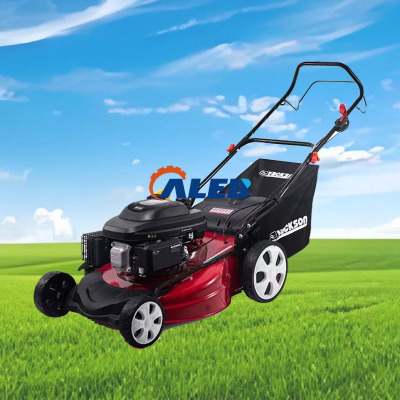


36V Lithium-Ion Brushless Cordless 18vx2 16′′ Self Propelled Lawn Mower
$90.00 - $120.00
MOQ: 500 Pieces


Lightweight Cordless Lawn Mower Cutter Grass Mower for Easy Maneuverability and Storage
$1033.00 - $1189.00
MOQ: 1 Pieces

Comprehensive Sourcing Guide
Strategic Sourcing Guide for Self-Propelled Cordless Lawn Mowers
The global shift toward sustainable landscaping equipment has elevated the demand for self-propelled cordless lawn mowers. These machines represent a convergence of electric propulsion technology and autonomous mobility features, designed to eliminate the noise, fumes, and maintenance associated with traditional gasoline units. For B2B procurement professionals, sourcing these units requires a rigorous understanding of technical specifications, regulatory compliance, and supply chain logistics. This guide synthesizes available market data to provide a structured approach for evaluating suppliers and selecting equipment that meets specific operational requirements.
Technical Specifications and Power Systems
When evaluating self-propelled cordless lawn mowers, the primary technical differentiator is the power system architecture. The market currently features units powered by high-voltage lithium-ion battery systems, with 60V configurations being a prominent standard in professional-grade models. These systems typically deliver power outputs ranging from 850W to higher capacities depending on the intended application intensity. Buyers must verify the specific voltage and wattage ratings against their operational needs, as higher voltage systems generally offer better torque and runtime for larger areas.
The drive mechanism is equally critical. A defining characteristic of the self-propelled category is the drive type, which can be electric or, in some hybrid contexts, gasoline-powered. For cordless units, the drive mode is exclusively electric, utilizing a motor to propel the mower forward, reducing operator fatigue. The walking speed for these units typically ranges from 0 to 6 km/h, allowing for precise control during mowing operations. The cutting width is another vital specification; while residential units may have narrower decks, professional models often feature cutting widths of 550mm to 900mm. The cutting height is generally adjustable, with ranges observed between 0mm and 200mm, enabling users to adapt to different grass types and seasonal growth patterns.
The physical dimensions and weight of the unit also impact logistics and storage. A single gross weight for a professional-grade unit can reach approximately 44.000kg, while larger, heavy-duty tracked models may weigh significantly more, up to 385kg. The packaging dimensions, such as a single package size of 78.5x57.5x44.0cm, are essential for calculating freight costs and warehouse storage requirements. Buyers should also consider the material grade, which often spans from DIY to industrial applications, influencing the durability of the chassis and cutting components.
Compliance and Certification Verification
Regulatory compliance is a non-negotiable aspect of international procurement. Suppliers must provide verifiable documentation for certifications that validate the safety and environmental standards of the equipment. Common certifications observed in the market include CE, EMC, and GS, which indicate conformity with European safety and electromagnetic compatibility directives. For units marketed in specific regions, additional certifications such as Euro 5 may be required, particularly if the product line includes hybrid or gasoline-powered variants that are often grouped in the same catalog.
It is crucial to distinguish between the certifications applicable to electric and gasoline models. While electric cordless mowers focus on electrical safety (CE, EMC), gasoline-powered counterparts must adhere to emission standards. Buyers should explicitly request proof of certification for the specific model number they intend to purchase, as a supplier may hold certifications for one product line but not another. The standard product origin for many of these units is Zhejiang, China, a major manufacturing hub, but the origin location does not automatically guarantee compliance. Verification of the specific certification documents against the model number is necessary to ensure that the product meets the legal requirements of the destination market.
Cost Drivers and Pricing Structures
The pricing of self-propelled cordless lawn mowers is influenced by several variable factors, including battery capacity, motor power, and the complexity of the self-propulsion system. The observed price range in the market spans from 1 to 10,000 USD, reflecting the vast difference between entry-level consumer units and heavy-duty industrial machines. The minimum order quantity (MOQ) also varies significantly, ranging from 1 unit for single-item sales to 500 units for bulk procurement.
Key cost drivers include the battery technology. Lithium-ion batteries are a significant component of the total cost, and their capacity directly impacts the runtime and price. Additionally, features such as telescopic handles, folding mechanisms, and anti-slip designs add to the manufacturing complexity and final cost. The packaging details, which may involve brown boxes or customized branding, also contribute to the unit price. Buyers should be aware that "Single Item" selling units often carry a higher per-unit cost compared to bulk orders, but they offer flexibility for testing or small-scale operations.
Typical Applications and Operational Scope
The application scope of these mowers is defined by the ground type and the area size they are designed to handle. Professional mowers are typically engineered for common lawn applications, including residential complexes, parks, and commercial properties. The applicable area for many cordless models is specified as less than 500 square meters, making them ideal for medium-sized properties where the battery capacity can be fully utilized within a single charge.
However, the market also includes specialized units designed for more demanding tasks. Some models are categorized as remote-controlled lawn mowers, featuring advanced control modes such as continuous path control and remote control distances ranging from 200m to 680m, or even GPS integration. These units are suitable for large, open areas where operator presence is not required or is hazardous. The working way, whether reciprocating or rotary, also dictates the suitability for specific vegetation. For instance, units with straight metal blades are optimized for standard grass cutting, while others may be designed for weeding or pruning tasks.
Supplier Evaluation and Product Attributes
Evaluating suppliers requires a deep dive into the specific attributes listed in their product catalogs. Buyers should scrutinize the "Product Name" and "Model Number" to ensure consistency across their inventory. For example, models like "TT-BLM6018S" or "TT-BLM6020" indicate specific configurations that may differ in battery voltage or cutting width. The "Keyword" field often reveals the manufacturer's positioning, such as "Lawn Mower Gasoline Grass Cutter," which may indicate a hybrid catalog where electric and gas models are sold together.
The customization availability is a critical factor for B2B buyers. Many suppliers offer customization options for the product name, color (e.g., Red+Black), and packaging details. This flexibility allows buyers to brand the equipment for their specific clients or to meet unique operational requirements. The warranty period is another key attribute, with a standard offering of 1 year being common. However, some suppliers may offer indefinite after-sales service, which requires careful verification of the terms and conditions.
Quality Control and Long-Term Procurement
Quality control in the sourcing of lawn mowers involves verifying the durability of the cutting system and the reliability of the battery. The "Cutter Kind" and "Cutter Type" are essential indicators of performance. Rotary lawn mowers with straight metal blades are standard for efficient cutting, but the quality of the metal and the sharpness retention are factors that should be assessed through sample testing. The "Drive Type" being self-propelled ensures consistent performance, but the reliability of the motor and the transmission system must be validated.
Long-term procurement considerations include the availability of spare parts and the ease of maintenance. The "Single Gross Weight" and "Single Package Size" are vital for logistics planning, ensuring that the supply chain can handle the physical dimensions of the product. The "Fuel Tank Capacity" for gasoline models or the battery charging time for electric models are also critical for operational efficiency. Buyers should establish a clear communication channel with suppliers regarding the "After-Sales Service" to ensure that any issues with the warranty or product performance are resolved promptly.
Comparative Analysis of Product Categories
To facilitate decision-making, buyers can compare different product categories based on their specific attributes. The following table summarizes the key differences between common variants found in the market:
| Feature | Standard Cordless Model | Remote-Controlled Model | Industrial Gas/Electric Hybrid |
|---|---|---|---|
| Power Source | Li-ion Battery (60V) | Li-ion Battery (60V) | Gasoline / Electric |
| Drive Type | Self-Propelled | Self-Propelled / Tracked | Self-Propelled / Crawler |
| Cutting Width | 550mm - 900mm | 900mm | Variable |
| Control Mode | Manual / Remote | Continuous Path Control | Manual / Remote |
| Max Range | Limited by Battery | 200m - 680m / GPS | Limited by Fuel |
| Weight | ~44kg | ~385kg | Variable |
| Certification | CE, EMC, GS | CE, MSDS, Euro 5 | CE, Euro 5 |
| Application | Common Lawn (<500m²) | Large Areas / Weeding | Industrial / Rough Terrain |
This comparison highlights that while standard cordless models are suitable for typical lawn maintenance, remote-controlled and industrial variants offer expanded capabilities for larger or more complex terrains. The choice depends heavily on the specific "Mowing Requirements" and "Ground Type" of the intended application.
Final Procurement Considerations
In conclusion, sourcing self-propelled cordless lawn mowers requires a balanced approach that weighs technical specifications against compliance and cost. Buyers must verify the exact model numbers, certifications, and power ratings to ensure the equipment meets their operational needs. The flexibility of customization and the availability of after-sales support are also critical factors in establishing a long-term supplier relationship. By adhering to the standards and verification processes outlined in this guide, procurement professionals can mitigate risks and secure high-quality equipment that enhances their landscaping operations. The market offers a diverse range of options, from lightweight DIY units to heavy-duty industrial machines, and careful selection ensures the best return on investment for the buyer.
FAQs
What power source do self propelled cordless lawn mowers use?
These mowers typically use Li-ion battery power, often at 60V voltage. The system delivers around 850W of power for efficient operation on common lawns, ensuring cordless mobility without gasoline emissions.
Which certifications are required for these lawn mowers?
Common certifications include CE, EMC, and GS for electrical safety. Some models also carry MSDS and Euro 5 standards, particularly if they feature hybrid or gasoline components alongside electric drives.
How large an area can a 60V lithium mower cover?
Many models are designed for applicable areas under 500 square meters. This capacity suits residential and small commercial properties where battery runtime matches the mowing requirements for ground type.
Can buyers request customization for these lawn mowers?
Yes, customization is available for branding and packaging details. Buyers can often select specific colors like red and black, or choose between brown boxes and customized packaging for their orders.
What is the warranty period for professional mowers?
The standard warranty period is 1 year for most units. Some suppliers may offer indefinite after-sales service, but the core product guarantee typically covers defects for twelve months from purchase.
How does the cutting width vary across models?
Cutting widths range from 550mm to 900mm depending on the specific model. Professional units often feature wider decks like 900mm for efficiency, while standard models may use 550mm for maneuverability.
Where are these lawn mowers typically manufactured?
The product origin is frequently Zhejiang, China, a major manufacturing hub. This location supports the production of various grades from DIY to industrial, ensuring consistent supply for global procurement needs.